

In the digital world, posting content on social media without engagement is like throwing a party and nobody showing up. The music is playing, the snacks are ready, but the room is empty. Not exactly the vibe you want for your brand.
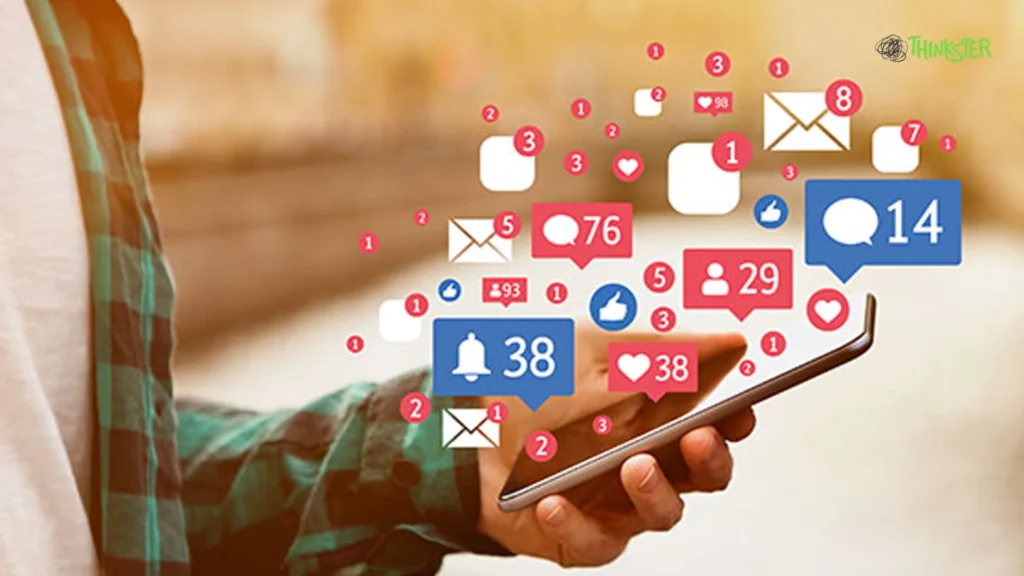
This is where social media engagement steps in. Likes, comments, shares, saves, replies, reactions—these small interactions collectively decide whether your brand becomes memorable or invisible.
For businesses today, engagement is not just a vanity metric. It’s a growth engine that drives brand awareness, trust, leads, and conversions. The brands winning on social media aren’t the ones posting the most; they’re the ones starting conversations.
In this guide, we’ll break down what social media engagement is, why it matters, how it works with algorithms, and how brands can dramatically improve it.
And yes, we’ll sprinkle in some Thinkster-style wisdom along the way—because marketing should never be boring.
What is Social Media Engagement
Social media engagement refers to any interaction that users have with your content on social media platforms.
These interactions can include:
- Likes
- Comments
- Shares
- Saves
- Clicks
- Mentions
- Replies
- Direct messages
- Story interactions
- Poll responses
In simple terms, engagement measures how actively your audience interacts with your content rather than just seeing it.
For example:
- A post with 10,000 views but no comments has low engagement.
- A post with 2,000 views but 300 comments has high engagement.
Why? Because engagement shows interest, relevance, and connection.
Platforms like Instagram, LinkedIn, Facebook, TikTok, and X heavily rely on engagement signals to decide which content deserves more visibility. The more people interact with your post, the more the algorithm pushes it to others.
This means engagement directly affects reach.
So if your social media strategy only focuses on posting content without encouraging interaction, you’re missing the entire point of social media.
Benefits of Social Media Engagement
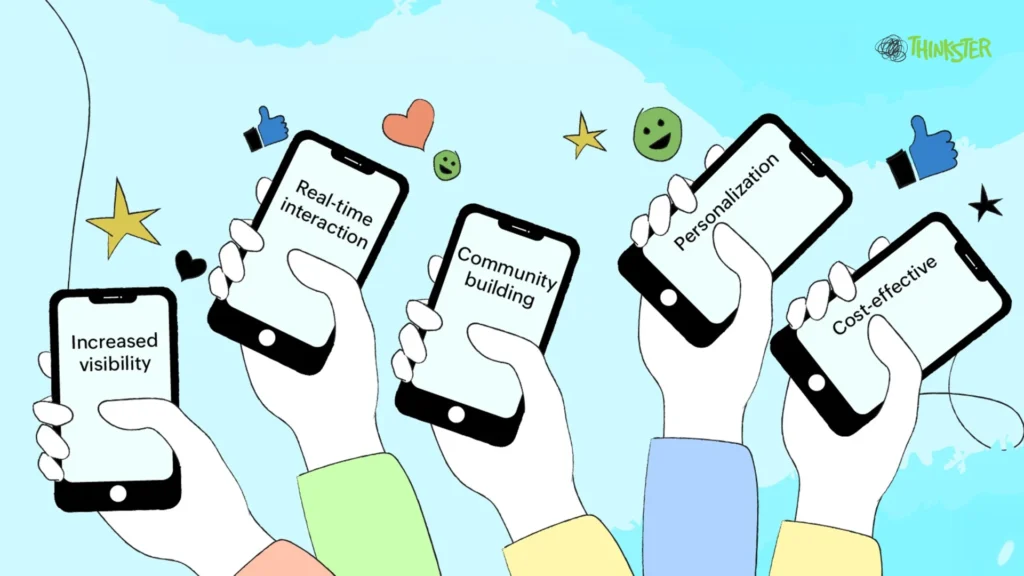
Engagement isn’t just about collecting likes like Pokémon cards. It plays a major role in brand growth, customer relationships, and marketing performance.
Here’s why engagement matters.
Increased Visibility
Social media algorithms love engagement.
When users interact with your content, platforms interpret it as valuable and interesting, which leads to higher distribution.
That means:
- Your posts appear in more feeds
- Your content reaches new audiences
- Your brand visibility increases organically
Think of engagement as fuel for social media reach.
Without it, your posts simply fade into the algorithm abyss.
Real-time Interaction
Social media is one of the few marketing channels where brands can communicate with their audience instantly.
When people comment, ask questions, or respond to stories, brands can reply immediately. This creates a two-way communication channel rather than a one-sided advertisement.
Real-time engagement helps brands:
- Answer customer queries
- Handle feedback
- Resolve issues
- Build rapport with their audience
Customers appreciate brands that listen and respond.
Community Building
High engagement is a sign that your audience isn’t just following you—they’re part of your brand community.
Communities drive loyalty.
When followers regularly interact with your posts, tag friends, and participate in discussions, your brand evolves from a business into a social space people enjoy being part of.
This is why the most successful brands focus on relationships, not just reach.
Personalization
Engagement also provides valuable insights into what your audience actually cares about.
By analyzing engagement data, brands can learn:
- Which content types perform best
- What topics spark conversations
- What questions customers frequently ask
- What problems your audience wants solved
This information helps businesses create more personalized and relevant content.
Cost-effective
One of the best things about social media engagement is that it can amplify your reach without increasing your budget.
If your content generates strong engagement:
- Algorithms promote it organically
- People share it with their networks
- Your brand gets exposure without paying for ads
In other words, engagement turns your audience into brand promoters.
Types of Social Media Engagement
Not all engagement comes from the same type of content. Different formats trigger different types of interactions.
Here are some of the most effective content formats for generating engagement.
1. Short-form video
Short-form videos dominate social media.
Platforms like Instagram Reels, YouTube Shorts, and TikTok prioritize quick, engaging videos that capture attention within seconds.
Short-form videos perform well because they are:
- Easy to consume
- Highly shareable
- Algorithm-friendly
- Emotionally engaging
Brands that incorporate short videos into their strategy often see higher engagement rates and faster growth.
2. Images
Despite the rise of video, images remain one of the most reliable engagement drivers.
High-quality visuals can instantly grab attention while users scroll through crowded feeds.
Effective images often include:
- Bold design
- Clear messaging
- Relatable themes
- Eye-catching colors
Brands that invest in professional social media graphics typically outperform those using generic visuals.
3. Live video
Live videos offer an unmatched level of real-time engagement.
During live sessions, audiences can:
- Ask questions
- Leave comments
- React instantly
- Participate in discussions
This format creates a more personal connection between brands and their audiences.
Live streams are often used for:
- Product launches
- Q&A sessions
- Tutorials
- Industry discussions
4. Competitions and giveaways
People love free stuff. It’s a universal truth.
Giveaways are one of the fastest ways to boost engagement because they encourage users to:
- Like posts
- Comment
- Tag friends
- Share content
However, giveaways should always be aligned with your brand to attract relevant followers rather than random participants.
5. Questions and polls
Interactive content is engagement gold.
Questions, quizzes, and polls encourage followers to actively participate rather than passively consume content.
Examples include:
- “Which design do you prefer?”
- “Guess the answer!”
- “Vote for your favorite product.”
These formats make audiences feel involved in your brand decisions.
What is a good social media engagement rate?
A good engagement rate varies depending on the platform and industry, but general benchmarks look like this:
- Below 1% – Low engagement
- 1% – 3% – Average engagement
- 3% – 6% – Good engagement
- Above 6% – Excellent engagement
However, engagement rates should always be evaluated relative to your audience size and niche.
Smaller accounts often have higher engagement rates because their audiences are more tightly connected.
The key is not chasing a universal number but consistently improving your performance over time.
How Social Media Engagement Works in Algorithms
Social media algorithms are designed to keep users on platforms for as long as possible.
To do this, they prioritize content that users interact with the most.
Engagement signals include:
- Likes
- Comments
- Shares
- Saves
- Watch time
- Replies
- Profile visits
If your post receives strong engagement shortly after being published, the algorithm assumes it’s valuable and shows it to a larger audience.
This creates a powerful snowball effect:
- Content gets initial engagement
- Algorithm promotes it
- More users see it
- Engagement increases further
That’s why the first few hours after posting are critical.
How do you calculate a social media engagement rate?
Understanding engagement rate helps brands measure the effectiveness of their social media content.
Engagement rate compares the total number of interactions with the number of followers or impressions.
Social media engagement Rate Formula
The most common formula is:
Engagement Rate = (Total Engagements ÷ Total Followers) × 100
Where engagements include:
- Likes
- Comments
- Shares
- Saves
- Clicks
For example:
If a post receives 500 interactions and the account has 10,000 followers:
Engagement Rate = (500 ÷ 10,000) × 100 = 5%
This would be considered strong engagement.
Many brands also track engagement per reach, which compares interactions with the number of people who actually saw the post.
What are some Examples of Social Media Engagement?
Engagement can take many forms depending on the platform and content type.
Examples include:
- A user commenting on your Instagram post
- Someone sharing your LinkedIn article
- Followers reacting to your Facebook post
- A viewer answering your Instagram story poll
- A user tagging friends in your giveaway post
- Someone saving your infographic for later
- Direct messages asking about your services
Even small interactions contribute to stronger algorithm performance and deeper audience relationships.
Best Practices for Social Media Engagement
If you want engagement, you can’t just post and disappear. Social media rewards brands that actively interact with their audience.
Here are some proven strategies.
1. Post High-Quality Visuals
Social media is a visual-first environment.
Blurry images, poor design, or cluttered graphics immediately reduce engagement.
High-performing visuals typically include:
- Clear design hierarchy
- Strong brand colors
- Simple messaging
- Professional typography
Visual quality directly impacts whether users stop scrolling.
2. Post Frequently
Consistency keeps your brand visible.
Posting regularly increases the chances that your audience will see and interact with your content.
However, frequency should never come at the expense of quality.
A consistent posting schedule helps brands stay top-of-mind for their audience.
3. Use Hashtags
Hashtags help categorize your content and make it discoverable to new audiences.
Using relevant hashtags allows users interested in specific topics to find your posts more easily.
Effective hashtag strategies include:
- Industry hashtags
- Location hashtags
- Branded hashtags
- Campaign hashtags
4. Start a Dialogue
Engagement is a conversation, not a broadcast.
Brands that ask questions and encourage opinions tend to receive higher interaction levels.
Simple tactics include:
- Asking questions in captions
- Requesting feedback
- Inviting opinions
- Encouraging discussions
People enjoy sharing their thoughts when brands make them feel heard.
5. Encourage User-Generated Content
User-generated content (UGC) is one of the most powerful engagement drivers.
When customers share photos, testimonials, or experiences related to your brand, it builds authentic trust.
UGC also expands your reach because followers often share these posts within their own networks.
Brands that showcase their customers create stronger emotional connections.
As businesses expand their digital presence in Rajasthan, working with a professional social media marketing agency in Jaipur can help brands build stronger audience engagement and brand awareness. With strategic content planning, targeted campaigns, and consistent community interaction, businesses can transform social platforms into powerful growth channels that generate meaningful engagement and long-term customer relationships.
In rapidly growing markets like Kerala, brands are increasingly investing in digital strategies to stay competitive. Partnering with a trusted social media marketing agency in Kochi allows businesses to leverage creative storytelling, local audience insights, and performance-driven campaigns that help improve social media engagement and strengthen their overall online brand presence.
For companies targeting Eastern India’s growing business ecosystem, collaborating with an experienced social media marketing agency in Bhubaneswar can significantly improve social media performance. Through structured content strategies, audience engagement techniques, and data-driven marketing campaigns, businesses can connect more effectively with their target customers and drive sustainable digital growth.
In India’s leading technology and startup hub, businesses often rely on a specialized social media marketing agency in Bangalore to manage high-impact social media campaigns. With the right combination of creative content, audience targeting, and engagement-focused strategies, brands can maximize their reach and build stronger relationships with their online communities.
Conclusion
Social media engagement is the heartbeat of modern digital marketing.
Without engagement, social media becomes a one-sided broadcast channel. But with engagement, it transforms into a dynamic conversation between brands and audiences.
From likes and comments to shares and conversations, every interaction strengthens your brand presence and signals to algorithms that your social media services content deserves attention.
But achieving strong engagement doesn’t happen by accident. It requires:
- Strategic content planning
- Consistent posting
- Creative visuals
- Meaningful conversations
This is exactly where Thinkster steps in.
At Thinkster, we don’t just post content—we design engagement-driven social media strategies that help brands spark conversations, grow communities, and convert attention into business growth.
Because in today’s digital world, the brands that win on social media are not the ones shouting the loudest.
They’re the ones people actually want to talk to.
FAQs
1. What is social media engagement?
Social media engagement refers to interactions users have with content on social media platforms, including likes, comments, shares, saves, clicks, and replies.
2. What is a good social media engagement rate?
A good engagement rate typically falls between 3% and 6%, although this varies by platform, industry, and audience size.
3. What type of content gets the most engagement on social media?
Content formats that typically generate the most engagement include:
- Short-form videos
- Interactive polls
- High-quality visuals
- Contests and giveaways
- User-generated content
4. How is social media engagement measured?
Social media engagement is measured by tracking interactions such as likes, comments, shares, saves, and clicks, and calculating them as a percentage of followers or reach.
5. Can engagement be more important than followers?
Yes. A smaller audience with high engagement is often more valuable than a large audience that rarely interacts with content.
Engaged audiences are more likely to trust your brand, share your content, and become customers.