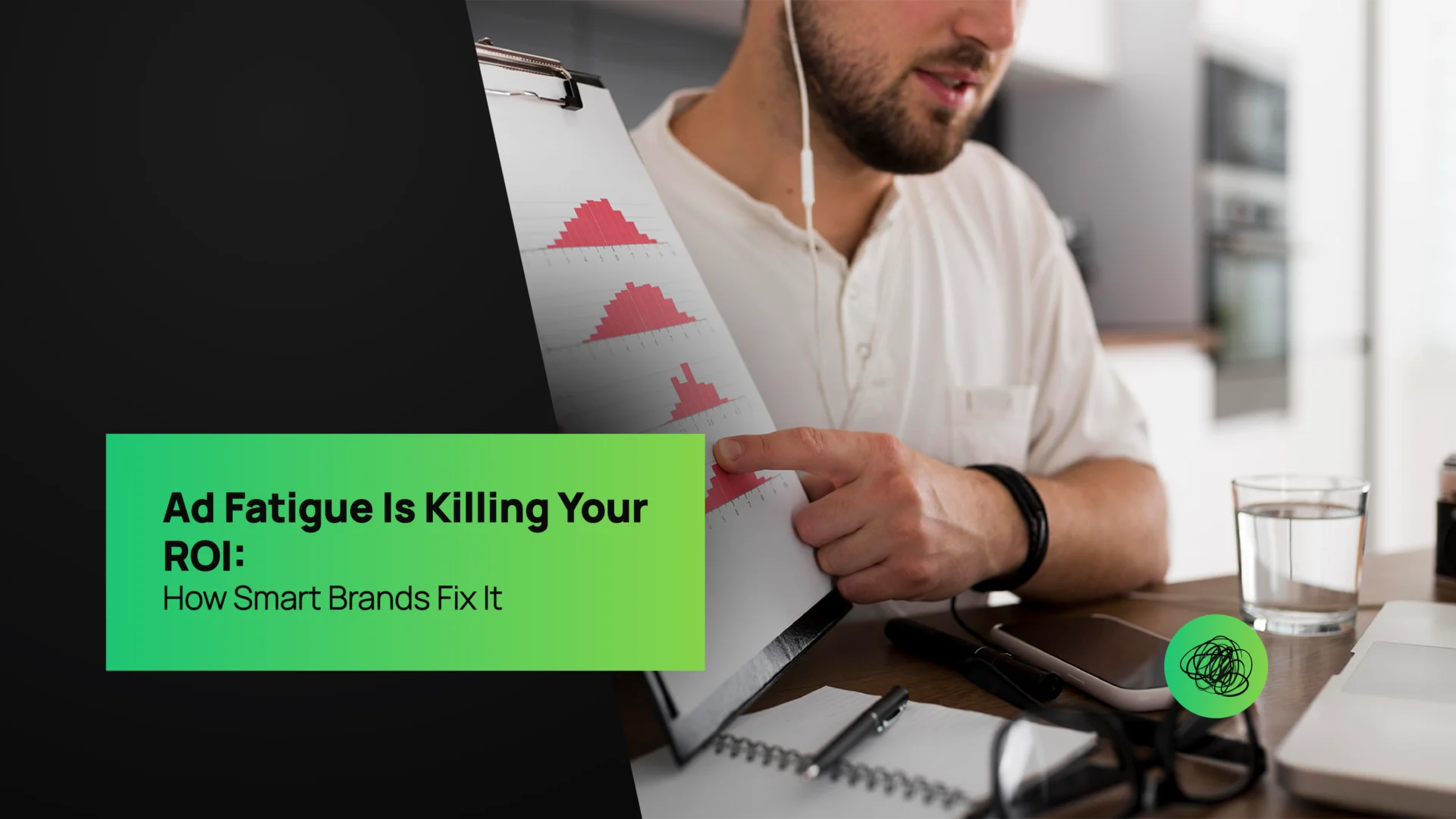

If your ads were a Netflix show, ad fatigue is that moment when viewers stop watching halfway through season one because they’ve seen this plot before. Same visuals. Same copy. Same CTA. And suddenly, your once-profitable campaigns start bleeding money. CPMs rise. CTRs fall. Conversions ghost you. And you’re left wondering, “Wasn’t this working last month?”
Welcome to the brutal reality of ad fatigue on social media explained—and no, it’s not the algorithm being “moody.” It’s your audience getting bored.
At Thinkster, we see this pattern every single day with brands that come to us saying, “Our ads stopped working.” The truth? The ads didn’t stop working. People stopped caring. Let’s break down what ad fatigue really means, why it’s destroying ROI across platforms, and how smart brands fix it before Meta eats their budget for breakfast.
Understanding Ad Fatigue Meaning in 2026
Why Ad Fatigue Happens Faster Than You Think
At its core, ad fatigue meaning is simple: when your audience sees the same ad too many times, they mentally mute it. Their brain filters it out like background noise. No emotion. No curiosity. No action. Just scrolling.
But here’s the 2026 twist—people are consuming more content than ever, and attention spans are getting shorter, not longer. This means ad fatigue doesn’t take months anymore. Sometimes it takes days. On platforms like Meta, where repetition is built into the delivery system, fatigue can sneak up before you even notice performance drops.
At Thinkster, we often audit accounts where the frequency looks “normal” but engagement is already collapsing. Why? Because frequency alone doesn’t tell the full story. Creative repetition does. When the hook, format, tone, and visuals stay the same, your ad becomes invisible—even if it’s technically “new.”
Ad Creative Burnout: The Silent Campaign Killer
When Good Ads Go Bad
One of the biggest misconceptions in paid media is that a high-performing ad should be milked forever. This mindset is exactly how ad creative burnout begins. A creative that once converted brilliantly starts underperforming, not because it’s bad, but because it’s overexposed.
Ad creative burnout is psychological. People subconsciously think, “I’ve seen this already. Not interested.” Even if they never clicked the first time, repetition kills novelty, and novelty is what stops the scroll.
Thinkster’s performance team sees this especially with founders who “love” one ad and refuse to move on from it. Emotionally, it feels safe. Strategically, it’s a disaster. Ads are not assets you set and forget. They’re perishable goods with a short shelf life.

Ad Fatigue on Social Media Explained Platform by Platform
Facebook Ad Fatigue and Audience Blindness
Facebook ad fatigue still exists—despite Meta’s advanced AI delivery. In fact, it’s worse now because competition is higher and feeds are denser. When your ad shows up multiple times with the same headline, same thumbnail, and same promise, Facebook users don’t even consciously reject it. They just don’t register it.
This leads to higher CPMs, declining CTRs, and eventually lower-quality traffic. Meta notices this lack of engagement and penalizes your ad delivery, forcing you to pay more to reach fewer people. It’s not punishment. It’s math.
At Thinkster, we don’t wait for Facebook ad fatigue to destroy performance. We proactively rotate creatives before metrics crash, keeping engagement signals fresh and delivery costs stable.
Instagram Ads Fatigue in a Scroll-First World
Instagram ads fatigue hits even faster because Instagram is a visual-first platform. A repeated design style, color palette, or Reel format becomes predictable quickly. Users scroll Instagram for novelty, not repetition.
This is where brands mess up by running the same Reel ad for weeks just because it “still gets likes.” Likes don’t pay your bills. Conversions do. When saves, shares, and comments start dropping, fatigue has already started—even if clicks haven’t fallen yet.
Thinkster solves Instagram fatigue by designing ad creatives that feel native, not “ad-like.” When ads blend into the feed while still standing out emotionally, fatigue slows down dramatically.
How Ad Fatigue Destroys ROI (Quietly)
The Metrics Lie Before They Tell the Truth
One of the most dangerous things about ad fatigue is how quietly it kills ROI. Your ads don’t crash overnight. They decay. CTR drops slightly. CPA increases gradually. ROAS shrinks week by week. Most brands react too late.
This is why many businesses struggle to improve ad performance even after increasing budgets or changing targeting. They’re fixing the wrong problem. Ad fatigue isn’t a targeting issue. It’s a creative issue.
At Thinkster, our first move is never “let’s tweak audiences.” It’s always “let’s refresh the story.” Because no amount of media buying wizardry can save boring ads.
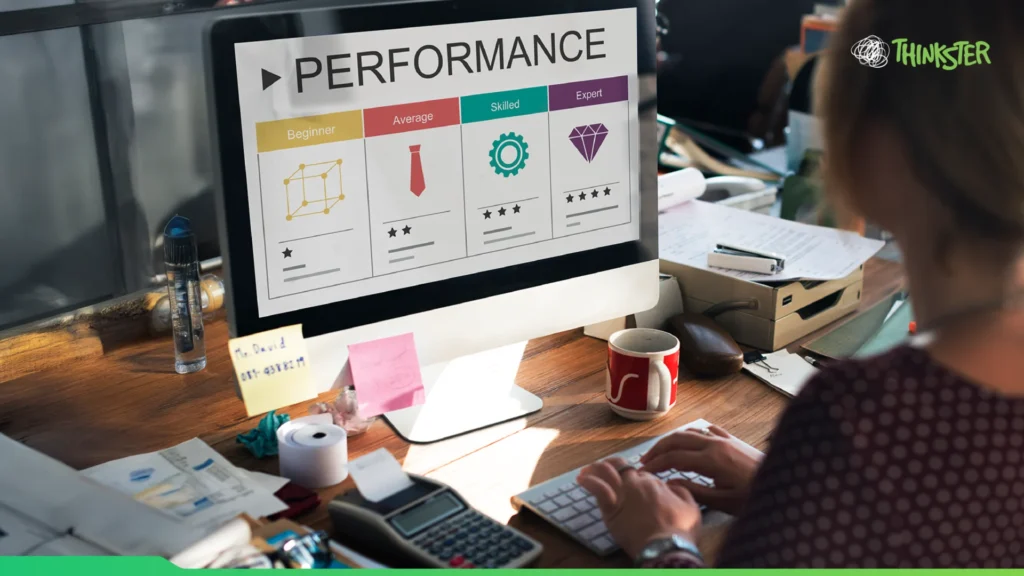
Social Media Ads Optimization Starts With Creativity
Why Optimization Is Not Just Numbers
Most brands think social media ads optimization means adjusting bids, placements, or audiences. That’s half the equation. The other half—and the more important half—is creative optimization.
Creative is what triggers engagement signals. Engagement signals control delivery. Delivery controls cost. Cost controls ROI. It’s a domino effect, and creative sits at the top.
Thinkster treats ads like living content, not static banners. Every week, we analyze what hooks are holding attention, which angles are getting ignored, and where fatigue is creeping in. Optimization isn’t reactive. It’s proactive.
Creative Testing Ads: How Smart Brands Stay Ahead
Testing Without Burning Budget
Here’s the truth about creative testing ads—it’s not about testing random ideas. It’s about structured experimentation. Smart brands don’t guess. They test hypotheses.
At Thinkster, we break creatives into variables: hook, visual, message, CTA, format. Instead of changing everything at once, we isolate elements. This lets us understand why something works, not just that it works.
This approach dramatically reduces ad fatigue because you’re constantly evolving the story without confusing the audience. The core message stays consistent, but the delivery feels fresh.
Fixing Ad Fatigue Without Starting From Scratch
Refresh, Don’t Replace
A common mistake is thinking ad fatigue means killing campaigns entirely. That’s rarely necessary. Most of the time, fatigue can be fixed with creative refreshes.
Small changes—new opening lines, different thumbnails, alternate captions, updated CTAs—can reset attention without losing momentum. Thinkster often refreshes ads before performance dips, keeping campaigns profitable longer than industry averages.
This is how smart brands scale without creative chaos.

The Thinkster Way: Fatigue-Proof Ad Systems
Why Thinkster Ads Last Longer
At Thinkster, we don’t just run ads. We build fatigue-resistant ad ecosystems. That means planning creative pipelines in advance, not scrambling when performance drops.
Our clients rarely ask, “Why did our ads stop working?” Instead, they ask, “Which creative do we scale next?” That’s the difference between reactive marketing and performance-driven strategy.
We combine branding psychology, platform behavior, and conversion-focused design to ensure ads feel fresh even at scale. This is how we consistently help brands improve ad performance across Facebook, Instagram, and beyond.
Ad Fatigue Is Not the Problem—Boring Ads Are
The Hard Truth Brands Avoid
Here’s the uncomfortable reality: ad fatigue isn’t killing your ROI. Predictability is. When your ads stop surprising, stop resonating, and stop evolving, audiences tune out.
Smart brands don’t fight platforms. They understand human behavior. They know people crave novelty, relevance, and authenticity. And they design ads accordingly.
Thinkster exists to help brands break out of creative ruts and build ad systems that scale profitably without burnout. If your ads feel tired, your audience feels it too.
Final Thoughts: Fix Fatigue Before It Fixes Your Budget
Ad fatigue on social media explained isn’t a trend. It’s a permanent reality of digital advertising. Platforms will evolve. Algorithms will change. But human attention will always behave the same way.
If you want ads that last, convert, and scale, stop chasing hacks and start investing in creativity. Not random creativity—strategic creativity. That’s where Thinkster thrives.
Because when ads stop feeling like ads, ROI stops dying. And that’s how smart brands win.