


The internet has done something fascinating to branding. It has quietly dismantled the “bigger is always better” myth. Today, a tiny coffee brand with 5,000 loyal fans can outperform a massive corporate brand with millions of passive followers. A niche skincare startup can dominate a category that giant cosmetic companies once controlled.
Welcome to the era of Micro Brand Strategy — where smaller brands win by being sharper, faster, and far more relatable.
In the past, brands tried to appeal to everyone. But in 2026, the smartest brands are doing the exact opposite: they’re speaking directly to a very specific audience with laser precision.
This guide will walk you through everything you need to know about Micro Brand Strategy, from what it means to how modern companies use it to build cult-like communities. And of course, we’ll also show you how agencies like Thinkster help businesses turn niche positioning into powerful growth engines.
What is Micro Brand Strategy
A Micro Brand Strategy is a branding and marketing approach where a company focuses intensely on a very specific niche audience instead of trying to appeal to the mass market.
Think of it like this:
Traditional brands say:
“Everyone should buy our product.”
Micro brands say:
“This product is specifically for you.”
That difference is everything.
A Micro Brand Strategy combines elements of a niche branding strategy, hyper-focused storytelling, and a personalized small brand marketing strategy that speaks directly to a defined community.
Instead of building a massive generic brand, micro brands build smaller but extremely loyal customer groups. These audiences often feel emotionally connected to the brand — almost like they’re part of a club.
The rise of social media, creator culture, and direct-to-consumer businesses has accelerated this shift dramatically. Today, brands can reach specific communities through Instagram, YouTube, niche forums, and micro-influencers without needing massive advertising budgets.
But the real magic happens when branding goes beyond just visuals. Successful micro brands invest in brand experience design, creating a consistent personality across packaging, website design, content, and customer interactions.
Add a Dynamic Brand Identity — one that adapts across digital platforms — and suddenly you have a brand that feels alive, relatable, and memorable.
And that’s exactly the kind of brand strategy agencies like Thinkster specialize in building.
Key Elements of a Micro Brand Strategy
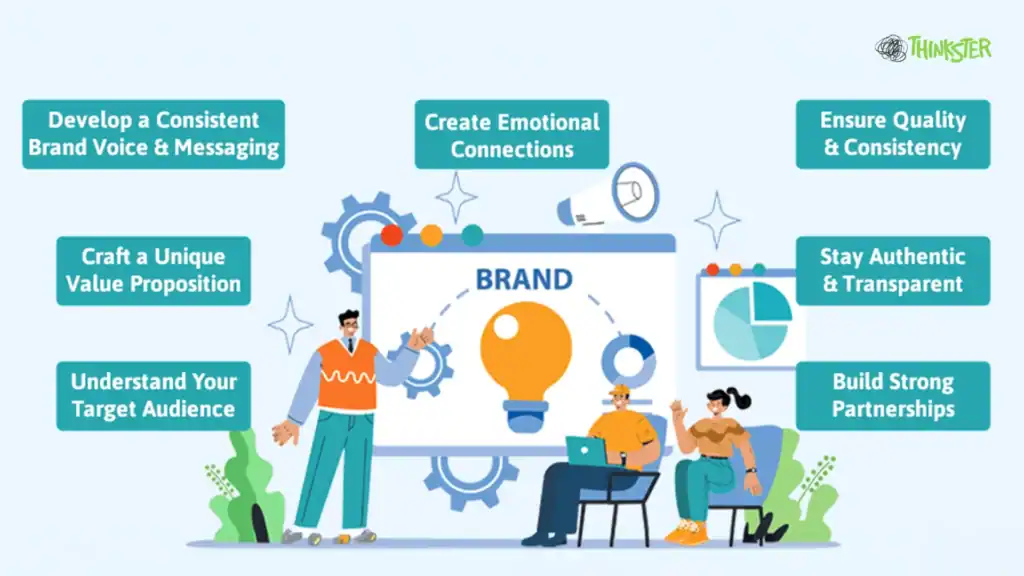
Building a micro brand isn’t about being small. It’s about being precise. A strong Micro Brand Strategy relies on a few key elements that make niche brands incredibly powerful.
1. Extreme Niche Focus
If traditional branding casts a wide net, micro branding uses a laser pointer.
Instead of targeting “people who like coffee,” a micro brand might target:
“Remote workers who love specialty pour-over coffee and aesthetic desk setups.”
That level of specificity allows brands to speak in a language their audience instantly recognizes.
A strong niche branding strategy identifies a community with shared interests, problems, and cultural cues. When brands understand these nuances, their messaging feels authentic rather than generic.
The result? Customers feel like the brand was built specifically for them.
2. Direct-to-Consumer (DTC) Model
Most micro brands rely on the Direct-to-Consumer model.
Instead of selling through large retailers, they sell directly through their own websites, social platforms, and communities.
This approach offers several advantages:
• Direct relationship with customers
• Higher profit margins
• Complete control over brand experience
• Faster feedback loops
Because of this model, a small brand marketing strategy often prioritizes owned platforms like email lists, communities, and social media engagement.
This also allows micro brands to design powerful brand experience design journeys — from website interaction to packaging unboxing.
3. Authenticity and Storytelling
People don’t just buy products anymore.
They buy stories.
The most successful micro brands build their identity around authenticity — sharing founder stories, behind-the-scenes moments, and genuine brand values.
Customers today can instantly sense when something feels manufactured. Authentic brands feel human, transparent, and relatable.
Storytelling becomes a key part of the Micro Brand Strategy, shaping everything from social media posts to website copy.
And when storytelling is done right, it turns customers into passionate brand advocates.
4. Agility
Large corporations move like cruise ships.
Micro brands move like speedboats.
Because they are smaller and more flexible, micro brands can adapt quickly to trends, feedback, and market changes.
They can:
• Launch products faster
• Experiment with marketing campaigns
• Pivot messaging quickly
• Engage directly with customers
This agility is a massive advantage in the digital-first marketplace of 2026.
5. Targeted Marketing
Micro brands don’t rely on massive advertising budgets.
Instead, they focus on highly targeted marketing strategies.
These include:
• Niche influencers
• Community-driven content
• User-generated campaigns
• Targeted digital ads
• Micro-communities on platforms like Discord or Instagram
Because the audience is clearly defined, marketing messages become more precise and effective.
This focused small brand marketing strategy often produces higher engagement and better ROI than traditional mass advertising.
Key Benefits of Micro-Brand Strategy
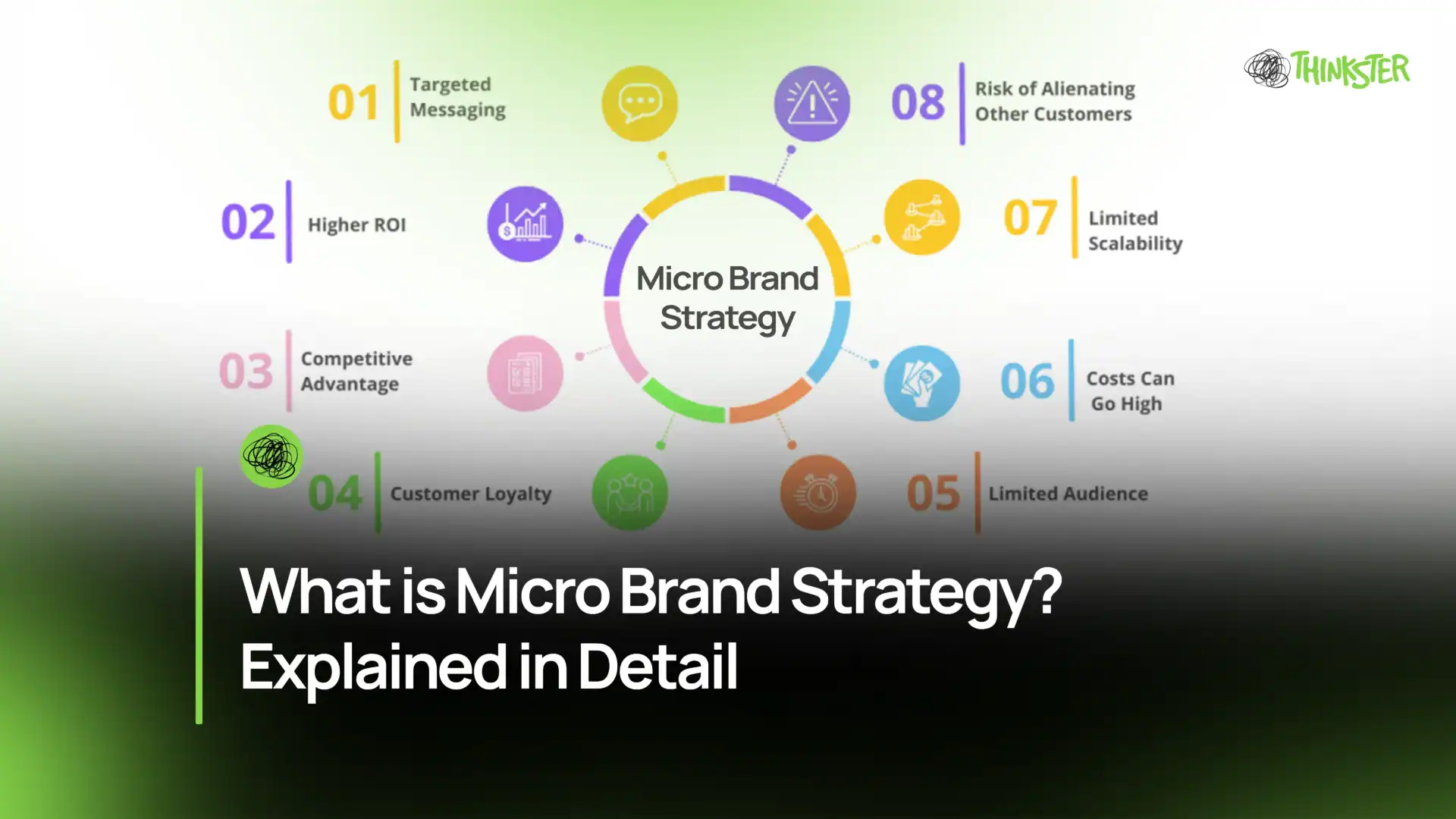
When executed well, a Micro Brand Strategy offers several powerful advantages.
High Agility and Speed
Micro brands can respond quickly to trends and customer feedback.
If a product needs improvement or a marketing campaign needs adjustment, decisions can happen instantly — without layers of corporate bureaucracy slowing things down.
This flexibility often allows micro brands to stay ahead of larger competitors.
Deep Customer Connection & Loyalty
One of the biggest strengths of micro branding is emotional connection.
Because messaging is hyper-focused, customers feel seen and understood.
Instead of being just another buyer, they feel like part of a community.
This deeper connection leads to stronger brand loyalty and repeat purchases.
Higher Conversion Rates
Generic messaging leads to generic results.
But when a brand speaks directly to a specific audience, conversions naturally increase.
A well-executed niche branding strategy ensures that marketing messages resonate deeply with the target audience.
That means fewer wasted impressions and more meaningful engagement.
Lower Overhead and Higher Value
Micro brands often operate with smaller teams and leaner structures.
Without massive retail distribution costs or large marketing budgets, they can focus on delivering high-quality products and personalized experiences.
This efficiency allows them to compete effectively with much larger brands.
Authenticity and Trust
In today’s skeptical consumer landscape, authenticity is everything.
Customers trust brands that feel transparent and human.
Micro brands naturally create this trust through direct communication, honest storytelling, and genuine community interaction.
Niche Dominance
Instead of fighting for a slice of a huge market, micro brands aim to dominate a specific niche.
For example:
Instead of competing with every skincare brand, a micro brand might dominate the niche of vegan skincare for sensitive skin.
Owning a niche often leads to stronger brand authority and recognition.
Improved Market Responsiveness
Because micro brands interact directly with their customers, they can quickly identify changing preferences.
Customer feedback becomes a powerful insight engine that drives innovation and improvement.
Key Challenges of Micro-Brand Strategy
Of course, micro branding isn’t without challenges. While the approach offers powerful advantages, it also comes with limitations.
Resource Constraints
Most micro brands operate with limited resources.
Smaller budgets, smaller teams, and fewer operational capabilities can make scaling more difficult.
This is why strategic branding and marketing decisions become extremely important.
Intense Competition & Visibility
Ironically, while micro branding targets smaller niches, those niches are becoming increasingly crowded.
Thousands of startups are now competing for attention in the same specialized markets.
Standing out requires strong creative positioning and compelling storytelling.
Maintaining Consistency
Consistency is critical in branding.
But when micro brands grow quickly across platforms — websites, social media, packaging, content — maintaining a unified brand identity can become challenging.
This is where a well-defined Dynamic Brand Identity becomes essential.
Authenticity & Trust
Customers expect micro brands to be authentic.
If a brand suddenly starts sounding overly corporate or inconsistent, trust can erode quickly.
Maintaining genuine communication is key.
Rapid Content Consumption
Today’s digital audiences consume content at incredible speeds.
Micro brands must consistently produce engaging content to stay relevant in their communities.
Balancing Niche with Growth
One tricky aspect of micro branding is growth.
If a brand expands too quickly beyond its niche, it risks losing its unique identity.
Balancing expansion while maintaining niche authenticity is a strategic challenge.
Operational Hurdles
From logistics to customer service, scaling operations can become complex as demand increases.
Micro brands often need strong systems and partnerships to support growth.
Micro Brand Strategy Examples
Several modern brands have successfully implemented Micro Brand Strategy.
Examples include:
• Specialty coffee brands focused on ethical sourcing and brewing culture
• Skincare startups targeting vegan or dermatology-specific niches
• Fitness brands built around specific training styles or communities
• Sustainable fashion labels targeting environmentally conscious consumers
What these brands have in common is a sharp focus on their audience and a strong identity built around shared values.
They don’t try to appeal to everyone — and that’s exactly why they succeed.
How We Developed Our Micro Brand Strategy
At Thinkster, we’ve always believed that powerful brands don’t try to please everyone.
They choose their audience — and then build a brand that speaks directly to them.
Our own Micro Brand Strategy focuses on helping ambitious businesses build performance-driven digital brands. Instead of offering generic marketing services, we specialize in areas like conversion-focused web design, branding systems, and high-impact digital experiences.
Our process combines:
• Strategic brand experience design
• Conversion-focused website design
• Creative storytelling
• Data-driven digital marketing
By integrating these elements, we help businesses create focused brand ecosystems that attract the right audience — not just more traffic.
Because in modern branding, relevance beats reach every time.
Conclusion
The future of branding isn’t about becoming the biggest brand in the room.
It’s about becoming the most relevant brand for a specific audience.
A well-crafted Micro Brand Strategy allows businesses to build strong identities, deep customer relationships, and powerful niche authority.
Instead of competing in overcrowded mass markets, micro brands carve out spaces where they can truly lead.
And when combined with strong storytelling, effective brand experience design, and a flexible Dynamic Brand Identity, micro brands can grow into highly influential companies.
At Thinkster, we help businesses transform focused ideas into powerful brands that connect, convert, and grow.
Because sometimes, the smallest brands make the biggest impact.
FAQs
1. What does micro brand mean?
A micro brand is a small, niche-focused company that targets a very specific audience rather than the mass market. These brands often use direct-to-consumer models, strong storytelling, and community-driven marketing to build loyal customer bases.
2. What is an example of a micro business?
Examples of micro businesses include niche skincare brands, specialty coffee roasters, boutique fitness brands, and independent fashion labels that cater to very specific audiences or communities.
3. How is a micro brand different from a traditional brand?
Traditional brands aim for mass-market appeal and large-scale distribution. Micro brands focus on niche audiences, personalized experiences, and direct relationships with customers through digital platforms.
4. Why are micro brands growing rapidly in 2026?
Micro brands are growing because consumers now prefer authentic, community-driven brands over large generic corporations. Digital platforms also allow smaller brands to reach targeted audiences more efficiently than ever before.