
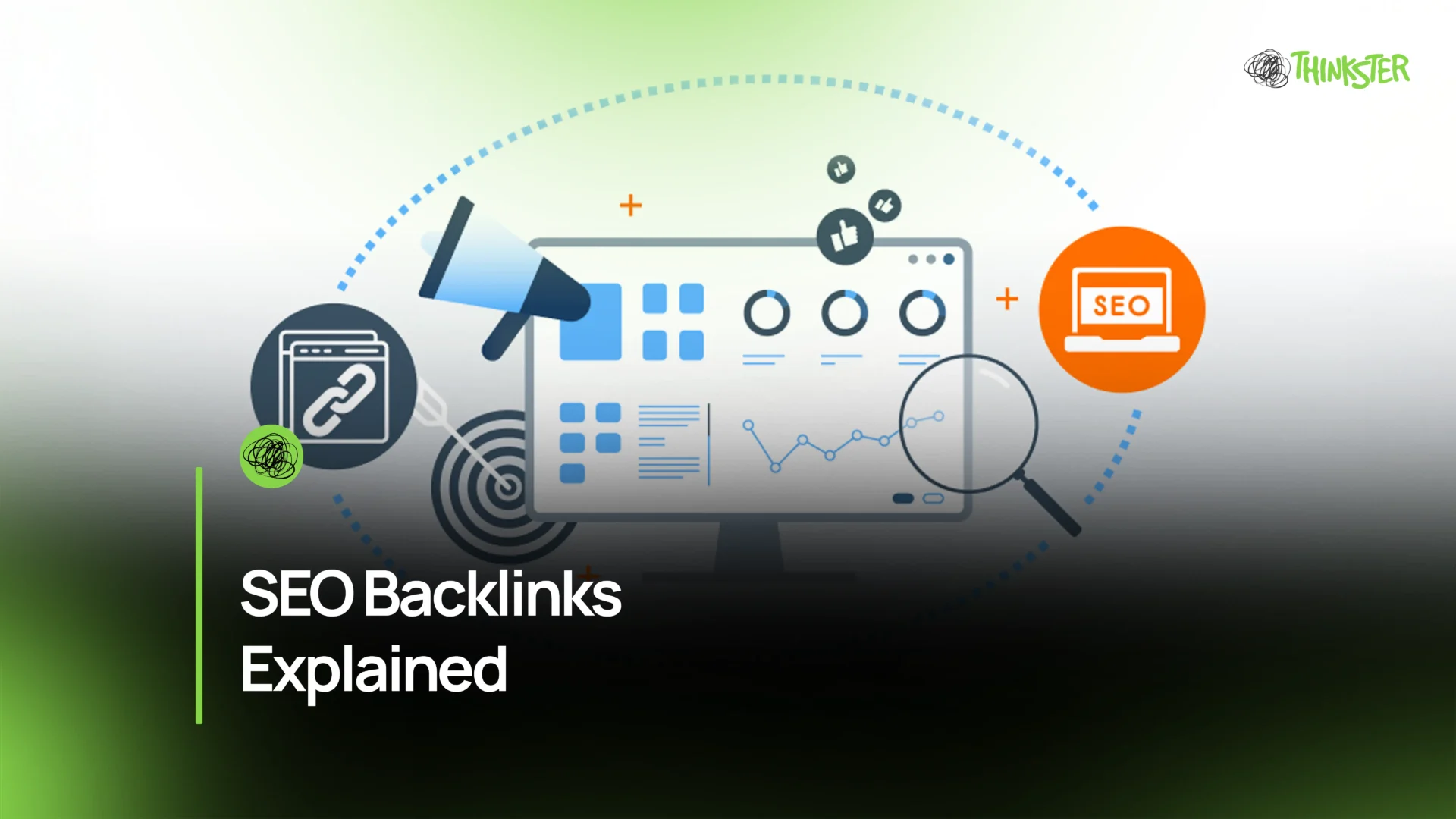

If you’ve ever dipped your toes into the bottomless ocean of SEO, you’ve probably heard people chanting the magical word: backlinks. Some say backlinks are the “votes of confidence” the internet gives you. Others insist they’re the difference between ranking on Page 1… and disappearing into digital oblivion.
Both are right.
But here’s the kicker: SEO Backlinks in 2026 aren’t the same old “drop a link and pray” strategy of the past. Link building is smarter, sassier, and significantly more strategic — and if you do it Thinkster-style, it’s downright fun.
That’s why this guide exists.
Grab your metaphorical snorkel. We’re diving deep.
What Are SEO Backlinks?
SEO Backlinks are simply hyperlinks from one website to another. When another website links to your page, Google says:
“Aha! Someone thinks your content doesn’t suck.”
This builds credibility, authority, and relevance in the eyes of search engines.
Think of backlinks as the internet’s way of giving your website a high-five. And in 2026, high-fives still matter — a lot.
Backlinks help search engines understand:
- Which content deserves to rank
- Whether your site is trustworthy
- What topics you’re an authority on
And if you’re wondering where a partner like Thinkster fits in: right in the center of helping you build smart, ethical, ROI-loaded backlinks.
Types of Backlinks in SEO
Not all backlinks are created equal. Some are SEO gold. Others are SEO garbage. Let’s decode each one.
Dofollow Backlinks
Dofollow links pass “link juice” — the SEO value that boosts your authority.
These are the golden grail of link building.
Nofollow Backlinks
These tell search engines not to pass link juice.
They still help with traffic, brand exposure, and link diversity.
Editorial Backlinks
These are naturally earned links from articles, blogs, or news websites.
The SEO equivalent of getting invited to sit at the cool kids’ table.
Guest Post Backlinks
You write an article for another website. They link back to you.
A classic, beloved, evergreen strategy.
Profile Backlinks
Links from social profiles, business directories, or author bios.
Great for local SEO, branding, and diversifying your link profile.
Paid Backlinks
Google officially frowns at these.
But the internet is full of opinions and… paid links.
Just be careful — low-quality paid links can tank your rankings.
Social Media Backlinks
These come from platforms like Facebook, LinkedIn, and Twitter.
They’re usually nofollow — but amazing for visibility and brand growth.
Why Backlinks Are Important in SEO?
You could build the prettiest website in the world, but without backlinks, it’s like hosting a party and forgetting to send invites.
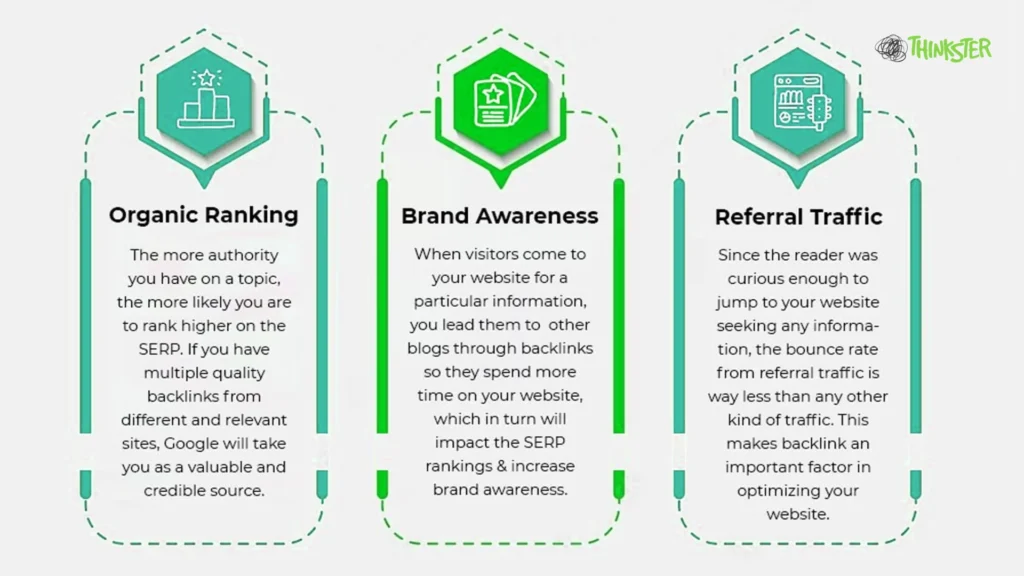
Improves Search Engine Rankings
Google still loves backlinks. They’re a core ranking signal — and probably always will be.
Increases Website Traffic
The more websites talking about you, the more eyeballs you attract.
Simple math, powerful results.
Establishes Domain Authority
Backlinks help build the holy metric: authority.
High authority = higher rankings + more trust.
Faster Indexing with Backlinks
New pages get discovered faster when external sites link to them. A few backlinks can do what a sitemap alone cannot.
Builds Credibility and Trust
When others recommend you, Google listens. People do too.
Boosts Brand Visibility
Backlinks plant your brand all over the internet — an SEO billboard.
Organic Lead Generation
Better rankings → better visibility → better leads.
And you didn’t even have to pay per click.
Best Practices for Link Building
Building backlinks isn’t about creating a hoard of low-quality links. It’s about strategy. And Thinkster-style strategy is smart, safe, and designed for long-term growth.
Quality Over Quantity
One link from a high-authority site > 50 random links from low-quality blogs.
Topical Relevancy
A yoga site linking to your plumbing business doesn’t help.
Topical relevance is king in 2026.
High-Quality Content
People link to content that’s useful, original, and buttery-smooth to read.
Guest Blogging on Niche Websites
Still one of the most powerful ways to earn contextual links.
Broken Link Building
Find broken links, suggest your content as the fix — voilà, instant backlink.
Anchor Text Strategy
Balance your anchor text.
Too many exact-match anchors? Google gets suspicious.
Internal Linking
Internal links aren’t backlinks, but they boost SEO by improving crawl paths and page authority distribution.
Local SEO for Link Building
Local directories, citations, and community websites are gold for local businesses.
Customer Testimonials
Give reviews → earn backlinks.
Brands love linking to testimonials as proof.
How to Check Backlinks On a Web Page
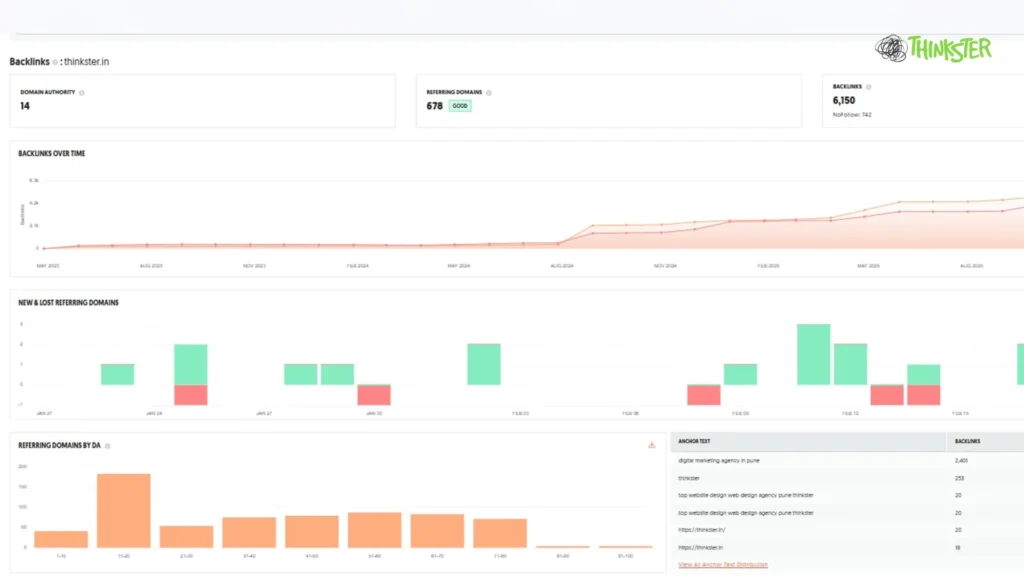
Curious who’s linking to you? Here’s how to play detective.
1. Use Online Backlink Checker Tools
Ahrefs, Semrush, Moz — all offer backlink analysis.
2. Google Search Console
Using Google Search Console, you can view your site’s backlinks straight from Google’s servers.
3. View Page Source Code
Right-click → “View Source” → search for <a href=””>.
A little nerdy, but it works.
4. Browser Extensions
SEOquake, MozBar, and SimilarWeb can show backlink insights instantly.
5. Check with SEO Software
Tools like Screaming Frog let you crawl backlink data at scale.
6. Use Command Line Tools
If you’re techy, tools like cURL and wget can reveal link structures.
7. Social Media and Online Mentions
Keep an eye out for brand mentions that include clickable links.
8. Backlink Explorer Tools
Some websites offer free backlink explorers — great for quick peeks.
Conclusion
Backlinks aren’t just an SEO ranking factor — they’re the fuel that powers organic growth.
In 2026, backlink strategies have become smarter, cleaner, and more user-focused. Ethical link-building, quality content, and relevancy matter more than ever.
And if managing backlinks sounds like juggling flaming SEO torches… that’s why teams like Thinkster exist. With expert SEO Services, deep-dive Keyword Research for SEO, precision-led Technical SEO, and scalable White Label SEO Services, you get a partner that helps you grow sustainably — without shady tactics.
Backlinks build authority.
Thinkster builds brands.
Together?
You build dominance.
FAQs
1. What is a backlink in SEO?
A backlink is when another website links to yours. It signals trust and authority to search engines.
2. How many backlinks are in SEO?
There’s no magic number. Focus on earning high-quality, relevant backlinks rather than accumulating hundreds of weak ones.
3. Which backlinks should be avoided?
Avoid spammy directories, automated link farms, irrelevant blog comments, and cheap paid backlinks.
4. How do I get SEO backlinks?
Through guest posting, high-quality content creation, digital PR, broken link building, and partnerships with reputable sites.
5. What are the three types of backlinks?
In simple terms:
- Dofollow
- Nofollow
- Editorial
But modern SEO includes many subcategories.