

Let’s start with a simple question.
Why do people line up outside Apple stores before a launch?
Why does stepping into a Starbucks feel oddly comforting?
And why do some brands feel instantly “right” the moment you see their logo, website, or packaging?
The answer isn’t just marketing.
It’s Brand Experience Design.
Modern brands are no longer just logos, ads, or websites. They’re experiences—carefully crafted moments that make customers feel something. And in 2026, companies are investing heavily in Brand Experience Design because attention spans are short, competition is brutal, and customers remember experiences far more than they remember ads.
At Thinkster, we see this shift every day. Businesses are realizing that branding is no longer just about a nice logo or pretty colours. It’s about building a complete ecosystem of experiences—from website interactions to animations, from visual identity to digital touchpoints.
In this guide, we’ll break down everything you need to know about Brand Experience Design, how it works, why it matters, and how brands can use it to stand out in a crowded digital world.
What is Brand Experience?
Before diving into Brand Experience Design, let’s understand the foundation: Brand Experience.
Brand experience is the total impression a customer forms about your brand through every interaction they have with it.
This includes things like:
- Your website design
- Your social media content
- Your packaging
- Your logo and visual identity
- Customer support interactions
- App usability
- Ads and campaigns
- Even how your emails look
In short, every single moment someone interacts with your brand contributes to the customer brand experience.
Imagine visiting a website where:
- The design is clean
- The navigation is effortless
- Animations are smooth
- The messaging feels human
You instantly trust the brand more.
Now imagine the opposite:
- Cluttered layout
- Slow loading
- Confusing navigation
That experience damages the brand instantly.
That’s why brands today are focusing heavily on digital brand experience, because most customer journeys start online.
And when done right, a strong brand experience can turn casual visitors into loyal customers—and loyal customers into brand advocates.
What Is Brand Experience Design
Now that we understand brand experience, let’s talk about Brand Experience Design.
Brand Experience Design is the strategic process of creating consistent, engaging, and memorable interactions between a brand and its audience across every touchpoint.
It combines several disciplines:
- Branding
- UX design
- Visual design
- Storytelling
- Marketing strategy
- Customer psychology
The goal is simple: make people feel something when they interact with your brand.
This is where elements like:
- Dynamic Brand Identity
- Minimalist Logo Design
- Minimalist Logo Animation
- Interactive websites
- Digital storytelling
come together to form a powerful brand experience strategy.
For example:
A Minimalist Logo Design might look simple, but when combined with a subtle Minimalist Logo Animation on a website, it creates a memorable moment for users.
These tiny interactions add up to something powerful: a brand that feels alive.
At Thinkster, we design brands with this philosophy—ensuring that identity, design, motion, and digital experiences all work together seamlessly.
Because great brands aren’t just seen.
They’re experienced.
Why is a Brand Experience Design Important?
Here’s the truth: customers don’t just buy products anymore—they buy experiences.
Brand experience design helps businesses:
1. Stand Out in a Crowded Market
Thousands of brands may offer similar products.
But very few deliver a memorable customer brand experience.
That difference matters.
2. Build Emotional Connections
People remember how brands make them feel.
A great digital brand experience builds trust and familiarity.
3. Increase Customer Loyalty
Customers who enjoy a brand experience are far more likely to return.
Loyal customers are also more likely to recommend the brand.
4. Improve Conversion Rates
Better experiences mean:
- Lower bounce rates
- Higher engagement
- More conversions
5. Strengthen Brand Recall
A strong Dynamic Brand Identity ensures that customers recognize your brand instantly.
In short:
Brand Experience Design transforms brands from “just another company” into something memorable.
And in the attention economy, memorability is everything.
What does a Brand Experience Designer do?
A Brand Experience Designer is like the architect of how people interact with a brand.
They don’t just design logos or websites. They design entire experiences.
Here’s what that process looks like.
1. Understanding the brand
Before designing anything, the designer must understand:
- The brand’s mission
- Its audience
- Its personality
- Its positioning
This forms the foundation of the brand experience strategy.
2. Researching user needs
Great design starts with empathy.
Designers study:
- Customer behaviour
- Pain points
- Expectations
- Digital interaction patterns
This ensures the customer brand experience actually serves real users.
3. Brainstorming ideas
Next comes the creative phase.
This might involve:
- Brand storytelling concepts
- Interactive website ideas
- Motion graphics
- Visual identity elements
The aim is to create experiences that feel fresh and engaging.
4. Creating experiences
Now the actual design work begins.
This can include:
- Visual branding
- UI/UX design
- Website design
- Motion graphics
- Minimalist Logo Animation
These elements combine to form a cohesive digital brand experience.
5. Making things understandable
Great brand experiences are not confusing.
Designers focus on:
- Clear navigation
- Intuitive interfaces
- Simple messaging
Clarity is the secret ingredient of good design.
6. Cross-team collaboration
Brand experience design isn’t a solo job.
Designers collaborate with:
- Marketing teams
- Developers
- Content creators
- Product designers
Together, they ensure the brand experience remains consistent everywhere.
How to Design a Powerful Brand Experience
Creating an impactful Brand Experience Design involves a structured process.
Let’s break it down.
Step one: Define your brand identity
Everything starts with identity.
This includes:
- Brand voice
- Values
- Messaging
- Personality
A strong Dynamic Brand Identity allows brands to adapt across platforms while staying recognizable.
Without identity, brand experience has no foundation.
Step two: Develop a visual identity
Next comes visual storytelling.
This includes:
- Logo design
- Typography
- Colour systems
- Motion elements
- Layout styles
Many modern brands prefer Minimalist Logo Design because simplicity improves recognition and versatility.
Adding Minimalist Logo Animation can further elevate the brand experience on digital platforms.
Step three: Craft user experience
Now comes the interaction layer.
This includes designing:
- Websites
- Apps
- Landing pages
- E-commerce experiences
The goal is to ensure the digital brand experience feels intuitive, engaging, and effortless.
When branding and UX align perfectly, magic happens.
Measuring the success of Brand Experience Design
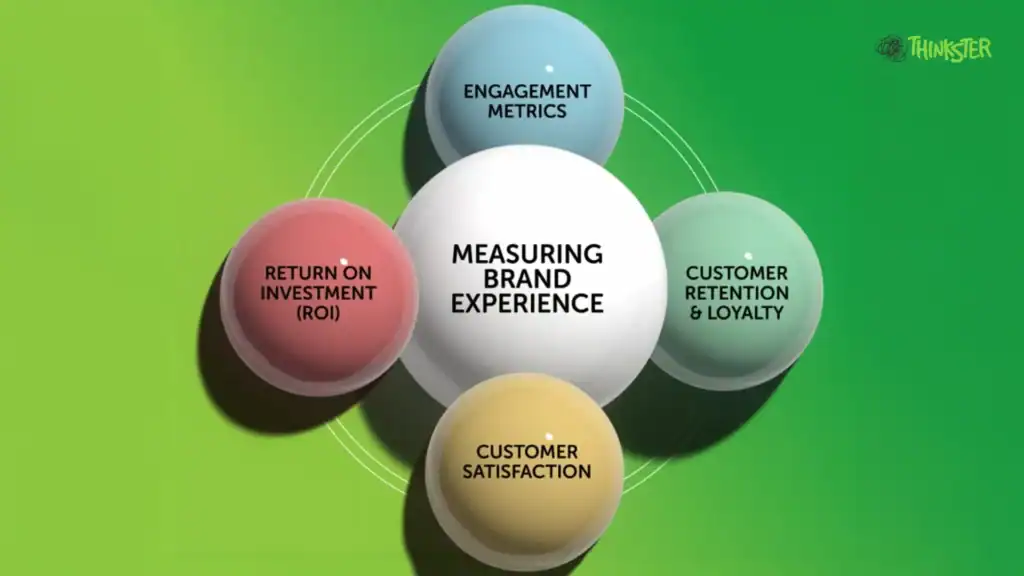
Design isn’t just about aesthetics—it’s about results.
To evaluate a brand experience strategy, businesses measure several performance indicators.
1. Engagement Metrics
These include:
- Time spent on website
- Click-through rates
- Scroll depth
- Social interactions
Higher engagement means people enjoy interacting with the brand.
2. Customer Retention and Loyalty
Great experiences make customers return.
Retention metrics reveal whether the customer brand experience is strong enough to build loyalty.
3. Customer Satisfaction
Feedback surveys and ratings help measure how customers feel about their brand interactions.
Happy customers equal successful brand experiences.
4. Return on Investment (ROI)
At the end of the day, branding should drive business results.
ROI can be measured through:
- Increased sales
- Higher lead conversions
- Stronger brand recognition
Effective Branding Services always connect creativity with measurable outcomes.
Useful Tools for Tracking Brand Experience
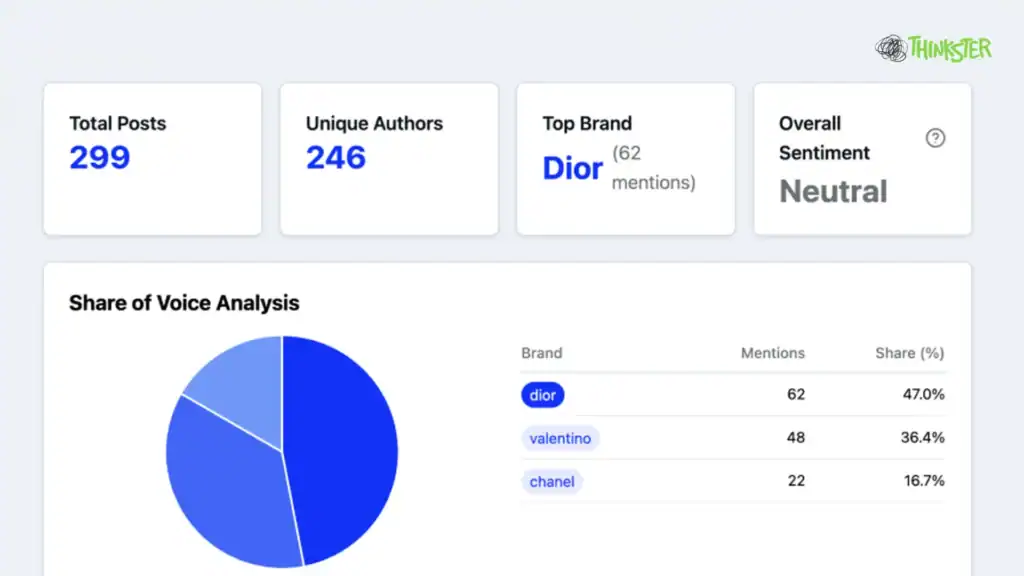
Modern tools make it easier than ever to track and improve brand experience.
Here are some of the most useful ones.
1. Hotjar / Microsoft Clarity
These tools show how users interact with your website through:
- Heatmaps
- Session recordings
- Behaviour analysis
They reveal what users love—and where they get stuck.
2. Customer Feedback Tools (e.g. Typeform, SurveyMonkey)
Sometimes the best insights come directly from customers.
Feedback tools allow brands to gather real opinions about their experiences.
3. Google Analytics
A powerful platform for tracking:
- Traffic
- Behaviour
- Conversion rates
It provides deep insights into your digital brand experience.
4. CRM Platforms (e.g. HubSpot, Salesforce)
CRM systems help businesses track:
- Customer journeys
- Engagement history
- Retention patterns
They play a vital role in managing long-term customer brand experience.
Conclusion
In the modern digital economy, Brand Experience Design has become one of the most powerful tools for building memorable brands.
It’s no longer enough to have:
- A good product
- A decent website
- A basic logo
Brands must create meaningful experiences across every touchpoint.
From Dynamic Brand Identity systems to Minimalist Logo Design, from motion graphics to intuitive UX—every detail contributes to how customers perceive a brand.
Companies that invest in strong brand experience strategies build deeper connections with their audiences, increase loyalty, and ultimately grow faster.
At Thinkster, we specialize in creating brand ecosystems that combine strategy, design, motion, and digital experiences into one seamless identity. Our Branding Agency Services focus on transforming brands into experiences people remember, interact with, and trust.
Because in today’s world, the brands that win aren’t just the ones that look good.
They’re the ones that feel unforgettable.
FAQs
1. What is brand experience design?
Brand Experience Design is the process of creating engaging and memorable interactions between a brand and its customers across all touchpoints, including websites, digital platforms, branding elements, and customer interactions.
2. What are the 4 dimensions of brand experience?
The four key dimensions of brand experience are:
- Sensory experience – visual and auditory impressions
- Emotional experience – feelings generated by the brand
- Intellectual experience – how the brand stimulates thinking
- Behavioral experience – how customers interact with the brand
Together, these dimensions shape the overall customer brand experience.
3. What are the 4 types of branding?
Common types of branding include:
- Personal Branding
- Corporate Branding
- Product Branding
- Service Branding
Each type relies on strong Branding Services to build recognition and trust.
4. How to build a brand experience?
Building a strong brand experience involves:
- Defining a clear brand identity
- Creating a compelling visual system
- Designing user-friendly digital interactions
- Maintaining consistent messaging across platforms
This combination forms a powerful brand experience strategy.
5. What makes a good brand experience?
A good brand experience is:
- Consistent
- Memorable
- Emotionally engaging
- Easy to interact with
Brands that invest in Branding Agency Services and thoughtful design can create experiences that keep customers coming back again and again.