

Introduction to the Future of Branding
Branding used to be simple. You had a logo, a tagline, maybe a brand color that your designer swore was “psychologically persuasive,” and boom—you were a brand. Fast forward to today, and branding feels less like a static identity and more like a living, breathing organism that evolves faster than your Instagram algorithm.
Welcome to the Future of Branding—a space where logos move, identities adapt, AI collaborates, and customers expect your brand to get them better than their best friend does.
At Thinkster, we’ve seen this shift firsthand. Brands are no longer built once and left to age like fine wine—they’re continuously optimized, personalized, and reimagined. Whether you’re a startup or an established business, understanding the Future of Branding isn’t optional anymore—it’s survival.
Let’s unpack what’s coming, what’s changing, and how your brand can stay ahead instead of playing catch-up.
What Is the Future of Branding?
The Future of Branding is not just about aesthetics—it’s about experience, intelligence, and adaptability. Modern brands are no longer defined by what they say, but by how they behave across platforms, devices, and user journeys.
Think of it this way: your brand is no longer a logo sitting quietly in the corner of your website. It’s now:
- A conversation on social media
- A personalized email in someone’s inbox
- A chatbot answering questions at 2 AM
- A product recommendation that feels eerily accurate
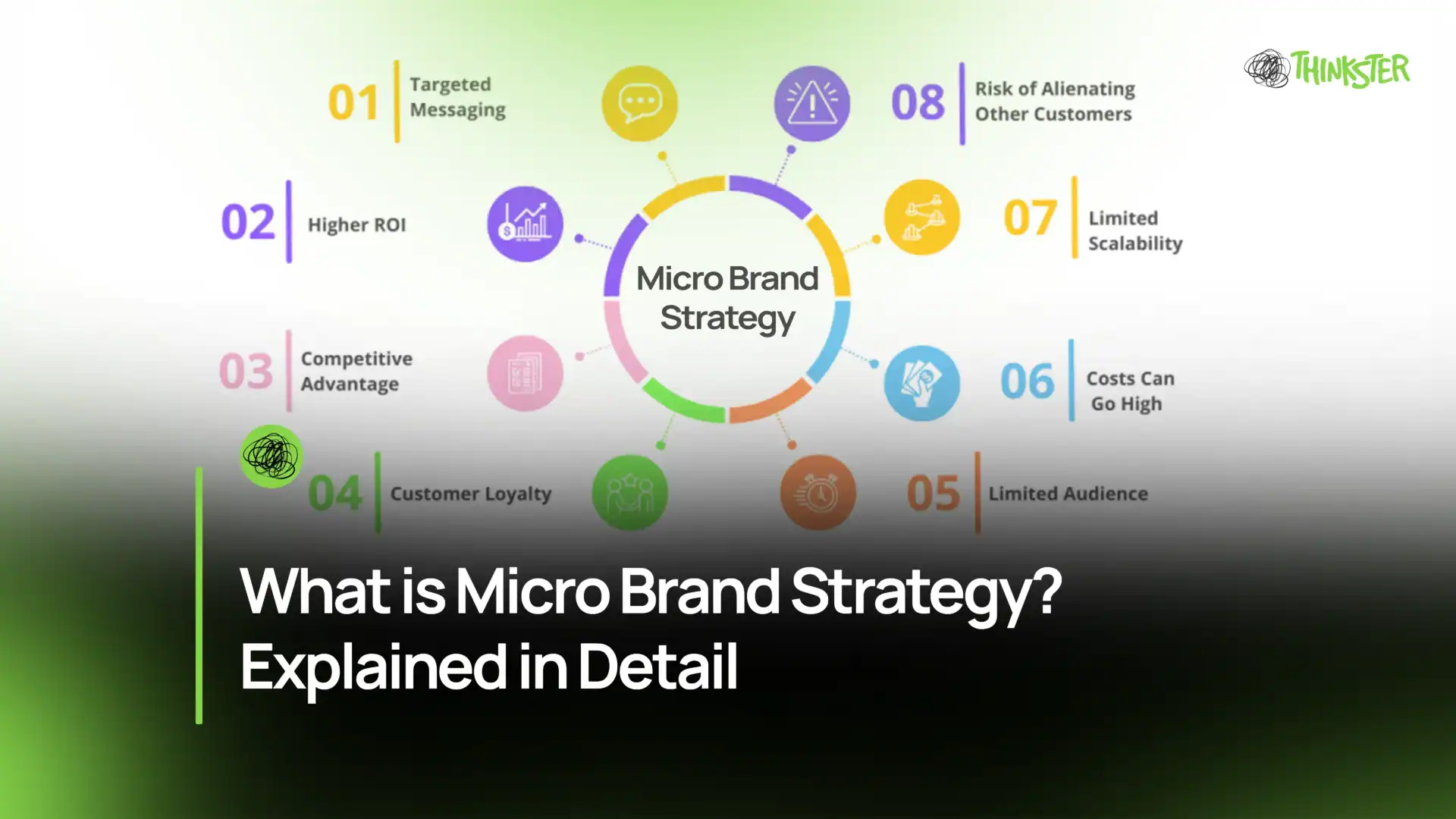
This is where concepts like Dynamic Brand Identity, brand experience design, and Micro Brand Strategy come into play. Instead of a one-size-fits-all approach, brands are now modular, adaptable, and hyper-targeted.
And if that sounds overwhelming, don’t worry—that’s exactly where smart Branding Agency Services (hello, Thinkster 👋) step in to simplify the chaos.
Why Traditional Branding Is Becoming Obsolete
Let’s be honest—traditional branding had a good run. But in today’s fast-paced, hyper-digital world, it’s struggling to keep up.
Limitations of Static Logos
Static logos are like flip phones—functional, nostalgic, but not exactly future-ready.
Modern brands need identities that:
- Adapt across platforms
- Animate seamlessly
- Respond to user interactions
A static logo doesn’t cut it when your brand exists across apps, reels, websites, and even virtual environments. Enter Dynamic Brand Identity—logos that evolve based on context, user behavior, or platform.
Because let’s face it: your brand should feel alive, not laminated.
Lack of Personalization in Old Branding Models
Traditional branding was built for the masses. Same message, same visuals, same tone—for everyone.
But today’s audience expects:
- Personalized content
- Tailored experiences
- Context-aware communication
If your brand speaks to everyone the same way, it connects with no one deeply.
This is where Micro Brand Strategy shines. Instead of broad messaging, brands now create micro-experiences for niche segments—making every interaction feel custom-made.
Changing Consumer Expectations
Consumers today are not just buyers—they’re critics, creators, and collaborators.
They expect brands to:
- Be authentic
- Respond instantly
- Stand for something meaningful
And if your brand fails? They’ll move on faster than you can say “rebranding.”
A strong Social Media Agency approach is no longer optional—it’s the front line of your brand experience. Because your audience isn’t just watching—they’re engaging, commenting, and judging in real-time.
The Role of AI in Modern Branding
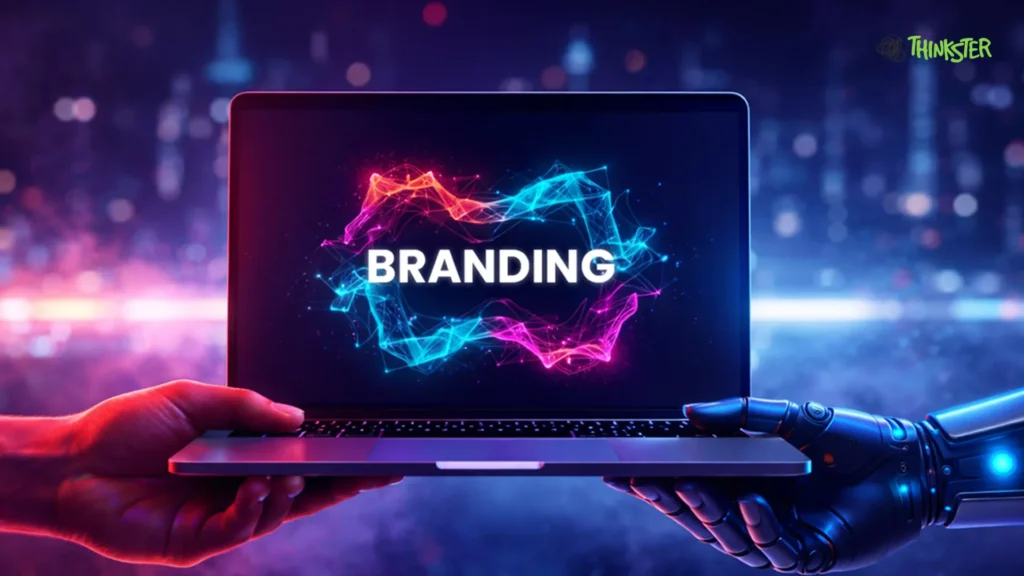
If branding had a superhero origin story in 2026, AI would be the plot twist.
Artificial Intelligence isn’t just supporting branding—it’s redefining it.
AI-Driven Brand Identity Creation
AI tools can now:
- Generate logos
- Suggest color palettes
- Create brand guidelines
But here’s the catch—AI alone doesn’t build brands. It needs human strategy, creativity, and direction.
At Thinkster, we blend AI efficiency with human insight to create identities that are not just fast—but meaningful.
Generative Branding and Automation
Imagine launching a campaign where:
- Visuals adapt in real-time
- Copy changes based on user behavior
- Ads optimize themselves automatically
That’s generative branding.
Automation allows brands to:
- Scale faster
- Reduce manual effort
- Deliver consistent messaging
It’s like having a branding engine that never sleeps (and doesn’t need coffee breaks).
Personalization Through AI
AI makes personalization scalable.
Instead of:
“Hey customer”
You get:
“Hey Vijay, here’s exactly what you were looking for yesterday at 11:43 PM.”
Creepy? Slightly. Effective? Extremely.
This level of personalization transforms branding into a one-on-one conversation—something traditional models could never achieve.
Technologies Powering the Future of Branding
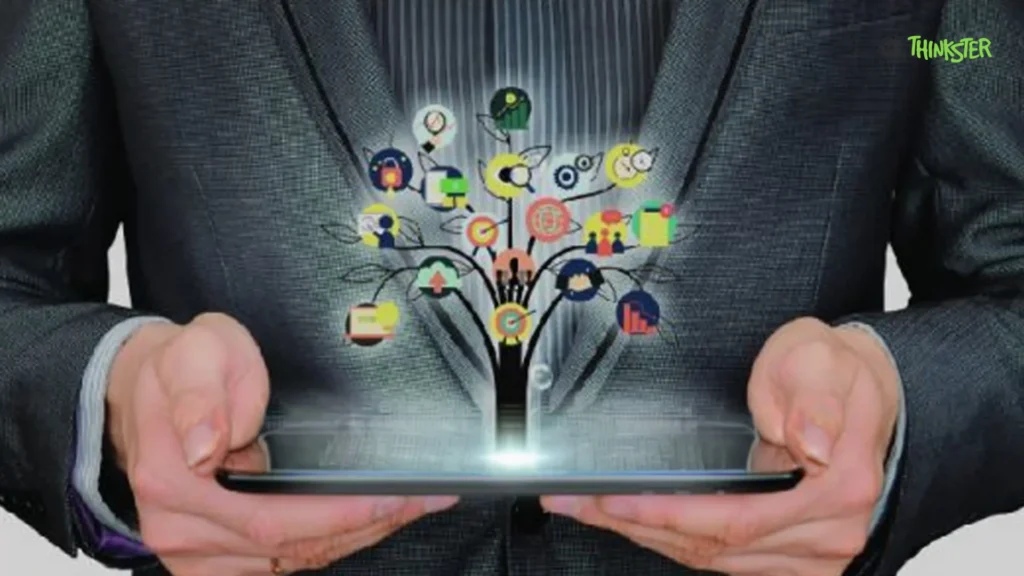
The Future of Branding isn’t just driven by ideas—it’s powered by serious tech muscle.
AI and Machine Learning
AI and machine learning are the backbone of modern branding. They help brands:
- Understand user behavior
- Predict trends
- Optimize campaigns
They turn guesswork into strategy—and strategy into results.
AR/VR and Spatial Computing
Welcome to immersive branding.
Augmented Reality (AR) and Virtual Reality (VR) allow brands to:
- Create interactive experiences
- Showcase products virtually
- Build emotional connections
Imagine trying furniture in your home before buying it or walking through a virtual store.
That’s not the future—that’s already happening.
And brands that adopt brand experience design in immersive environments will have a massive edge.
Automation and Real-Time Rendering
Speed matters.
Automation tools now allow brands to:
- Launch campaigns instantly
- Update visuals in real-time
- Maintain consistency across platforms
Real-time rendering ensures your brand looks perfect everywhere—from mobile screens to digital billboards.
Because in branding, timing isn’t everything—it’s the only thing.
Challenges in Future Branding
Of course, it’s not all smooth sailing. The Future of Branding comes with its own set of challenges.
Over-Reliance on Technology
Yes, AI is powerful—but too much of it can make your brand feel robotic.
The key is balance:
- Use AI for efficiency
- Use humans for creativity
Because no algorithm can fully replace human emotion (yet).
Maintaining Brand Consistency
With dynamic identities and personalized experiences, consistency becomes tricky.
Your brand needs to:
- Adapt without losing its core
- Stay recognizable across variations
This is where professional Branding Agency Services become critical—ensuring flexibility doesn’t turn into chaos.
Privacy and Data Concerns
Personalization requires data. And data comes with responsibility.
Consumers are becoming more aware of:
- Data privacy
- Tracking practices
- Ethical concerns
Brands must:
- Be transparent
- Respect privacy
- Build trust
Because one data breach can undo years of branding effort.
Final Thoughts: Branding, But Make It Future-Proof
The Future of Branding is not about predicting trends—it’s about adapting to change faster than your competitors.
It’s about:
- Being dynamic instead of static
- Personal instead of generic
- Intelligent instead of reactive
And most importantly—it’s about creating experiences that people remember, not just logos they recognize.
At Thinkster, we don’t just follow branding trends—we help create them. From cutting-edge Branding Agency Services to performance-driven campaigns as a Social Media Agency, we build brands that are ready for tomorrow (and maybe even the day after that).
So if your brand still thinks a logo and a tagline are enough… it might be time for an upgrade.
Because in the future, brands won’t just exist.
They’ll evolve
FAQs About the Future of Branding
What is the future of branding?
The Future of Branding is dynamic, personalized, and technology-driven. It focuses on creating adaptive identities and immersive experiences rather than static visuals.
How is AI changing branding?
AI is transforming branding by enabling:
- Automated content creation
- Hyper-personalization
- Data-driven decision-making
It makes branding faster, smarter, and more scalable.
What are the latest branding trends?
Some key trends include:
- Dynamic Brand Identity
- Micro Brand Strategy
- Immersive brand experience design
- AI-driven personalization
- Real-time content adaptation
What is immersive branding?
Immersive branding uses technologies like AR and VR to create interactive experiences that engage users beyond traditional screens.
How can brands stay relevant in the future?
To stay relevant, brands must:
- Embrace technology
- Focus on personalization
- Stay authentic
- Continuously evolve
Or, more realistically—partner with a team like Thinkster that already lives in the future 😉